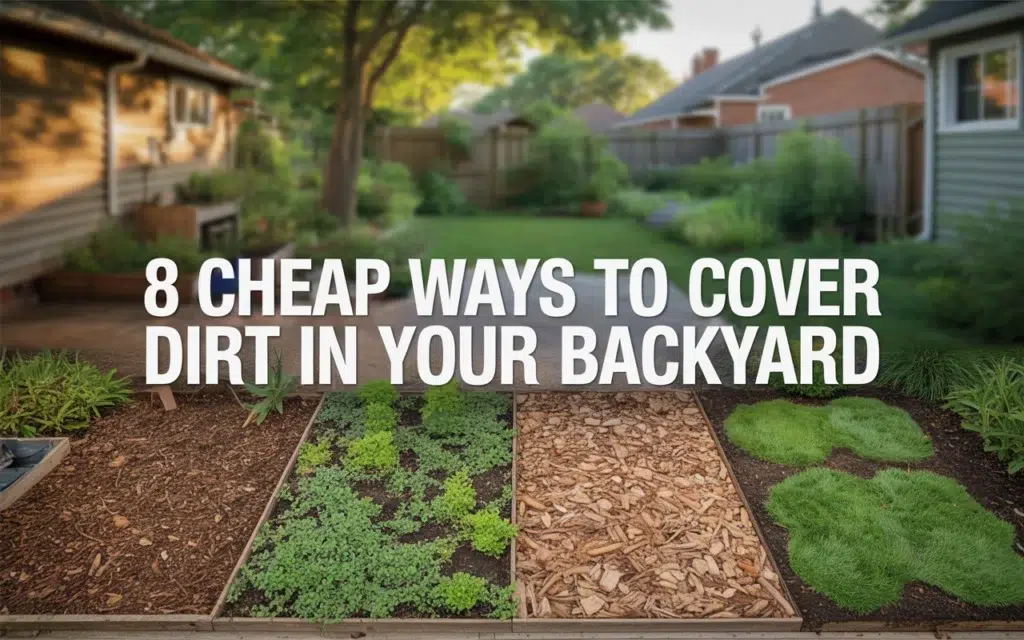
If you need cheap ways to cover dirt in your backyard, mulch, wood chips, grass seed, ground-cover plants, and gravel are all worth considering. The best option depends on your budget, how you use the space, and whether you want to reduce mud, create a green area, handle foot traffic, or keep maintenance low.
You do not need an expensive backyard makeover to improve a bare dirt area. A large unused patch may need a simple, low-cost cover, while a seating area or space used by kids and pets may need a stronger surface.
The cheapest option is not always the best long-term choice, so it helps to consider maintenance and replacement costs before you decide. At Lawn Savy, we focus on practical lawn and garden solutions that help you improve your outdoor space without making it more complicated or expensive than it needs to be.
Quick Guide: Choose the Best Cheap Way to Cover Backyard Dirt
| What You Need | Best Budget Option | Maintenance |
| Lowest-cost large-area cover | Mulch or wood chips | Low to moderate |
| Green cover | Grass seed | Moderate |
| Living, low-growing cover | Ground-cover plants | Low to moderate |
| Low-maintenance surface | Gravel or crushed stone | Low |
| Walkway or small sitting area | Reclaimed pavers | Low |
| Temporary cover | Straw or organic mulch | Moderate |
| No-mow green appearance | Artificial turf | Low |
| DIY outdoor living area | Simple deck or patio | Moderate |
Keep in mind: The cheapest option to install is not always the cheapest over time. Some materials need regular replacement, watering, or repairs, which can increase the total cost.
8 Cheap Ways to Cover Dirt in Your Backyard
1. Cover the Dirt With Mulch or Wood Chips
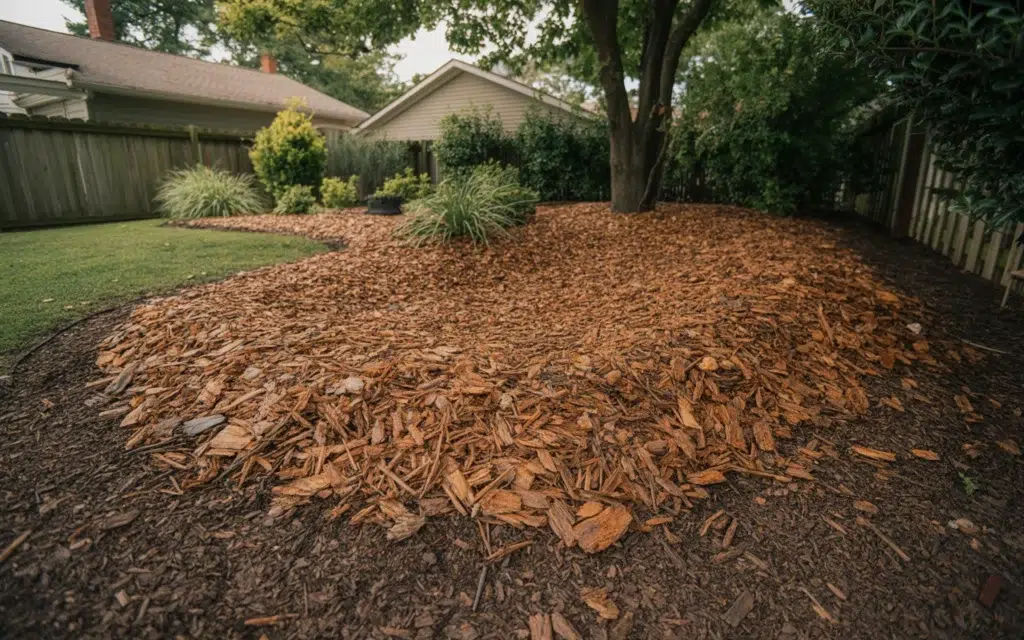
For a large bare area, mulch is one of the simplest and most practical choices.
Wood chips, shredded bark, pine needles, and similar organic materials give exposed soil a finished look while helping reduce weeds and moisture loss. Mulch also protects soil from the impact of heavy rain, which can reduce surface erosion.
Wood chips are especially useful around trees, shrubs, and planting beds. If you have access to clean wood chips from a local tree service, they can also be a budget-friendly option.
Mulch does have one drawback: it breaks down over time and usually needs to be refreshed.
Best for: Large dirt patches, planting beds, and homeowners who want a fast visual improvement.
Tip: Keep mulch away from tree trunks rather than piling it directly against the bark.
2. Use Grass Seed for a Traditional Green Backyard
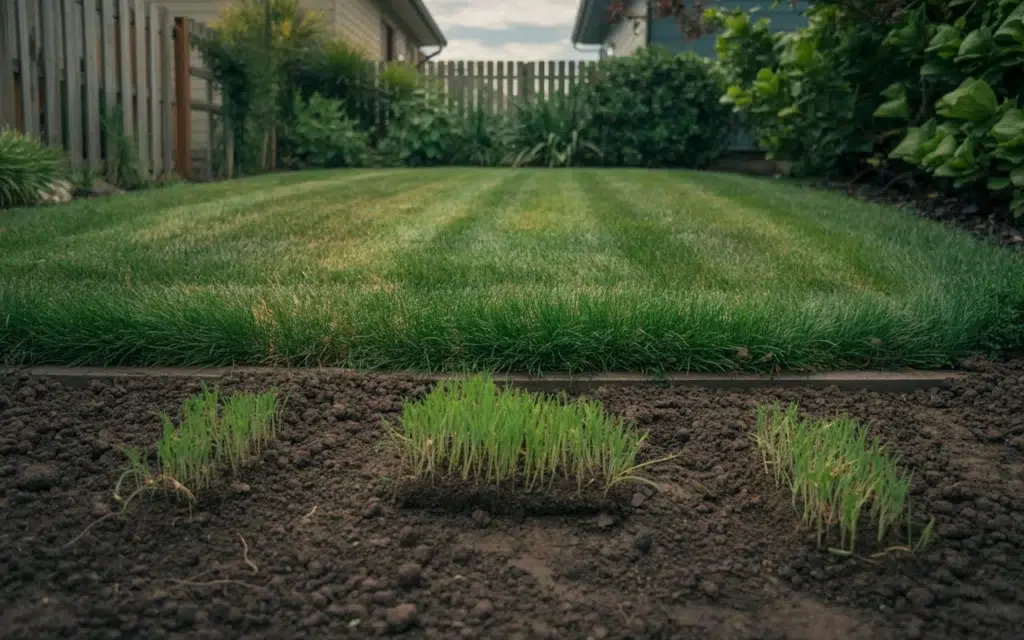
If your goal is to turn bare dirt into a lawn, grass seed is usually more budget-friendly than covering the whole area with established sod.
But do not simply throw seed onto hard, uneven dirt and expect a thick lawn. Good lawn establishment starts with checking the soil, drainage, sunlight, and the type of grass that fits the site. Penn State Extension recommends selecting turfgrass based on site conditions and intended use because poorly matched grass can result in thin growth, weeds, and more erosion.
Before seeding:
- Remove weeds and large debris.
- Level major bumps and ruts.
- Check whether water drains properly.
- Choose grass suited to your climate and sunlight.
- Keep the seedbed moist while the grass establishes.
If the area gets very little direct sunlight, grass may not be the best answer. University of Maryland Extension notes that no lawn grass thrives in areas with little direct sun.
Best for: Homeowners who want a traditional lawn and are willing to provide establishment care.
3. Plant Ground Covers
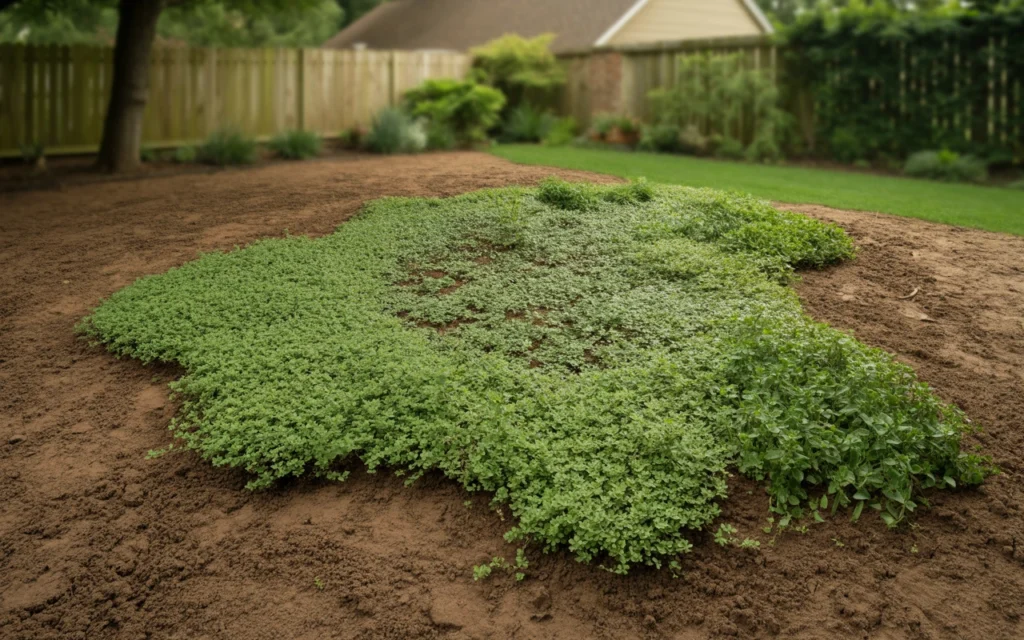
Ground-cover plants are a good option when you want the dirt to disappear without maintaining a traditional lawn.
Once established, suitable ground covers can spread across open soil and create a living carpet. They are especially useful for areas where mowing is difficult or where grass does not make sense.
Choose plants based on your local conditions rather than picking a ground cover simply because it looks good in a photo. Sunlight, moisture, soil type, winter temperatures, and the amount of foot traffic all matter.
For difficult areas, Penn State Extension’s guide to native groundcovers explains how the right ground-cover plants can help with erosion and reduce maintenance.
Best for: Low-maintenance planting areas, slopes, and spaces where you want living greenery.
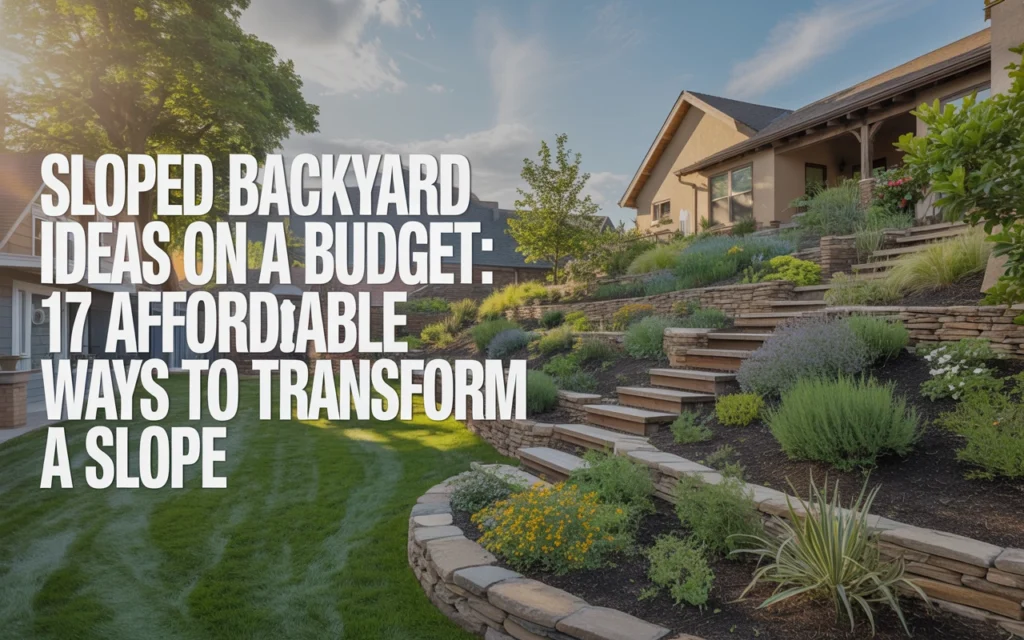
If the bare area is on a slope, the cover you choose also needs to help with erosion and runoff. Budget-friendly ideas for a sloped backyard include ground covers, mulch, simple paths, and other low-cost options that work with the existing shape of the yard.
Keep in mind: Ground covers take time to fill in. You may need temporary mulch while young plants become established. University of Maryland Extension recommends temporary mulch or biodegradable coverings where exposed soil is vulnerable to erosion.
4. Spread Gravel or Crushed Stone
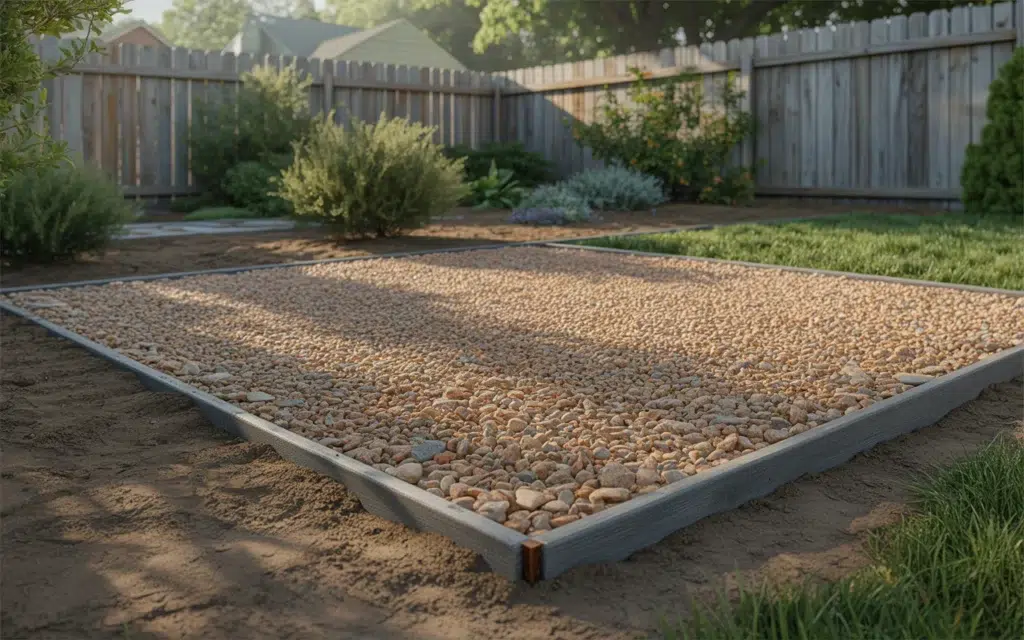
Gravel is a practical choice when you want to cover dirt without watering, mowing, or waiting for plants to spread.
It works especially well for:
- Backyard paths
- Seating areas
- Fire-pit areas
- Side-yard spaces
- High-use areas where grass struggles
Gravel also gives a clean, simple look and can handle foot traffic better than many organic ground covers.
However, gravel is not ideal for every part of a backyard. It can become uncomfortable under bare feet, move out of place, and get hot in strong sun. It also needs a properly prepared base if you want the surface to remain stable.
Do not use gravel to hide a drainage problem. If water already collects in the dirt area, fix the grading or drainage issue first.
Best for: Low-maintenance areas, paths, and outdoor spaces that need a firm surface.
5. Use Reclaimed Pavers, Bricks, or Stepping Stones
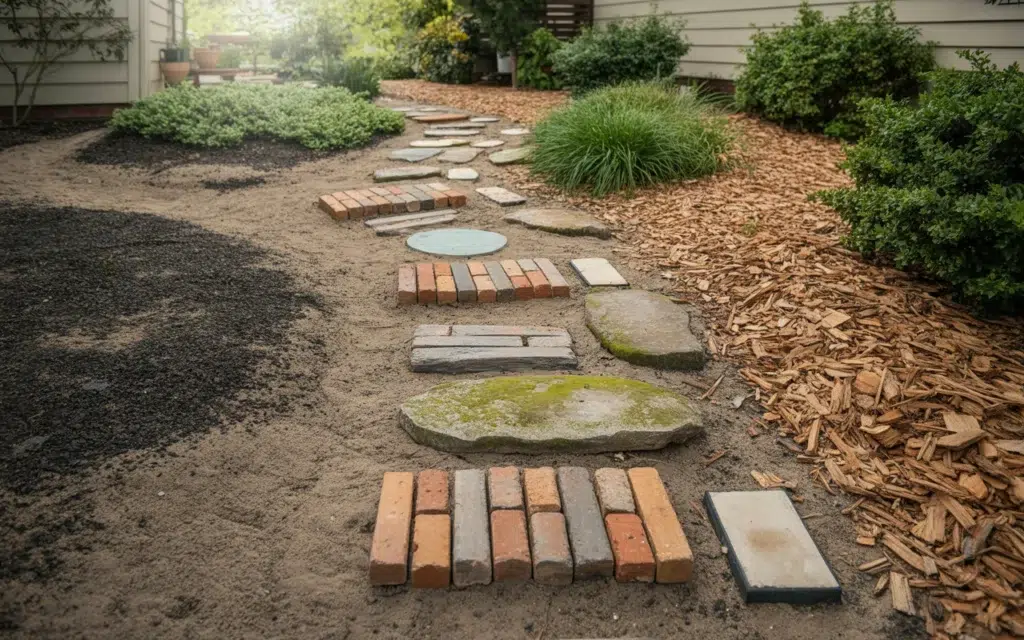
If you want to create a more finished surface without covering the entire yard, reclaimed pavers and bricks are worth considering.
You can use them to create:
- A simple walkway
- A small seating area
- Stepping paths through a planted bed
- A border around mulch or gravel
Using reclaimed materials can keep the project more budget-friendly than buying all-new hardscape materials.
You also do not need to pave the entire dirt area. A simple path through mulch or ground cover can make the backyard feel much more intentional.
Best for: Small areas where you want a walkway or defined outdoor space.
Tip: Keep the design simple. The more cuts, curves, and complicated patterns you add, the more time and material the project usually requires.
6. Try Straw, Pine Straw, or Other Temporary Organic Cover
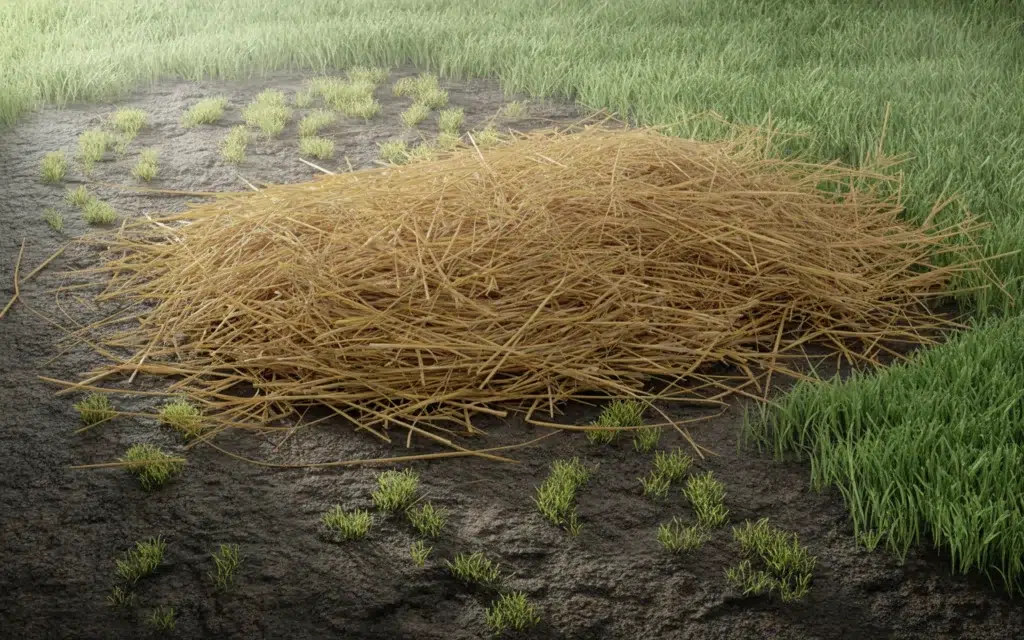
If you need a very inexpensive temporary way to cover bare dirt, organic materials such as straw can help.
Straw is commonly used as a temporary mulch when establishing grass from seed. Penn State Extension notes that straw mulch helps retain moisture, reduce seed movement, and protect against soil erosion during lawn establishment.
It is not the same as creating a finished permanent backyard surface.
Think of it as a short-term solution while you wait for:
- Grass to establish
- Ground covers to spread
- A larger landscaping project to begin
If using straw for lawn establishment, choose clean straw rather than hay, since hay is more likely to contain unwanted seeds.
Best for: Temporary coverage, newly seeded areas, and exposed soil that needs protection.
7. Install Artificial Turf
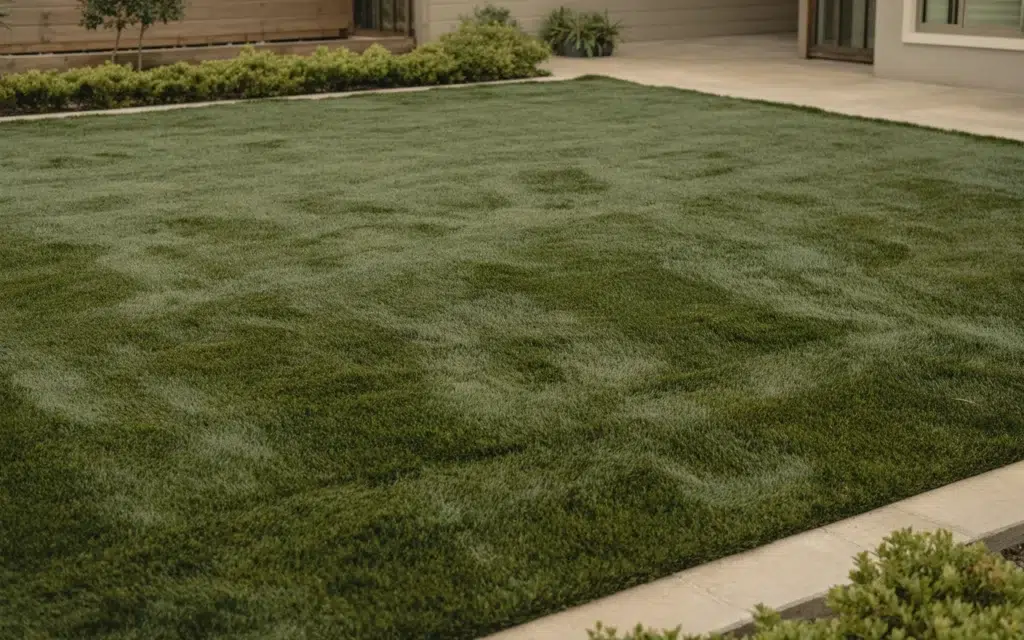
Artificial turf gives you a green-looking surface without the mowing and routine watering that natural grass needs.
It can make sense when the area:
- Has poor conditions for grass
- Gets too little sunlight
- Needs a consistent green appearance
- Is used frequently
But there is an important catch:
Artificial turf is not automatically the cheapest way to cover dirt.
The upfront installation can be much higher than mulch, grass seed, or gravel. It becomes more attractive when low ongoing maintenance matters more than the lowest initial cost.
Before installing it, make sure the underlying ground is properly prepared and drainage is addressed.
Best for: Low-maintenance green spaces where natural grass is difficult to maintain.
8. Build a Simple DIY Patio or Small Deck
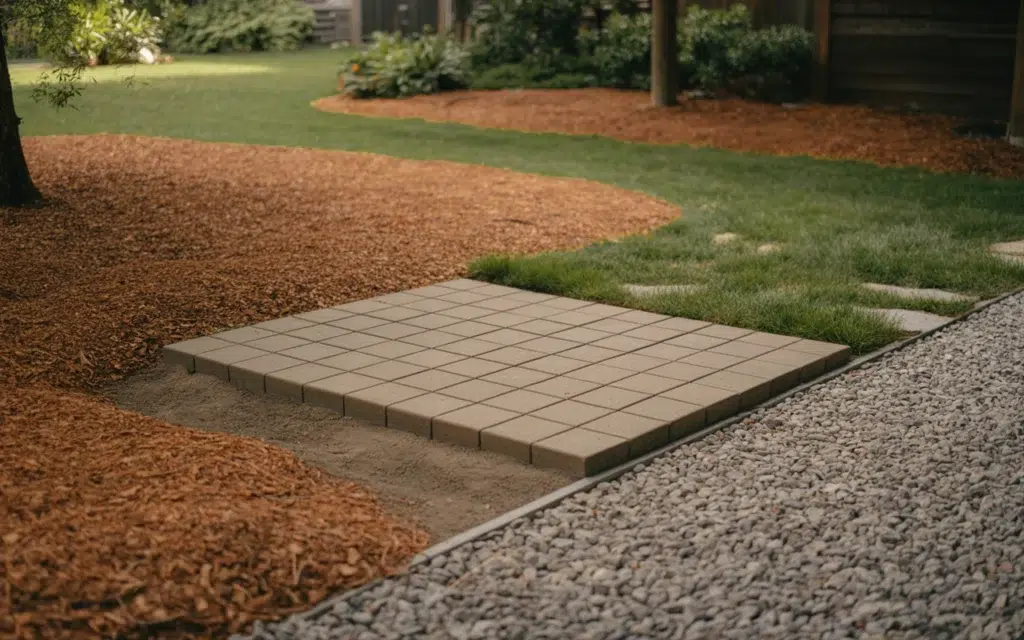
If the dirt patch is located beside the house and you actually want an outdoor living area, you can turn it into a small patio or deck instead of simply covering the soil.
A basic DIY project using simple materials can be more practical than trying to maintain a large lawn in a high-traffic area.
But this belongs at the higher-cost end of “cheap backyard ideas.” A professionally built deck or patio is not a low-budget dirt-cover solution.
For a smaller budget, consider covering only the portion you will actually use and leaving the remaining space for mulch, plants, or gravel.
Best for: Homeowners who want to create a defined seating or entertaining area.
How to Choose the Cheapest Option for Your Backyard
The right choice depends less on the material itself and more on what you want from the space.
Cheapest for a Large Bare Area
Start with mulch or wood chips. They are simple to spread and work well where you do not need a hard walking surface.
Cheapest Way to Get Green Cover
Consider grass seed if the site has enough sunlight and suitable soil conditions. If grass struggles in the location, a regional ground cover may make more sense.
Best Low-Maintenance Choice
Gravel or crushed stone is often a practical choice for paths, seating areas, and other spaces where you do not want regular mowing or watering.
Best Living Ground Cover
Choose ground-cover plants suited to your region and growing conditions. Native or well-adapted plants are often a better long-term choice than forcing an unsuitable species to grow.
Best Temporary Cover
Use mulch or straw while you decide on a permanent solution or while grass and plants are becoming established.
Best for a Walkway
Use gravel, stepping stones, or reclaimed pavers. You can combine these with mulch or plants instead of covering the whole yard with hardscape.
What to Do Before Covering Backyard Dirt
Covering the dirt without preparing the area can create problems later.
1. Remove Weeds and Debris
Clear out large weeds, rocks, branches, and other debris before installing your chosen cover.
2. Check Drainage
Look for places where water sits after rain. A new layer of mulch, gravel, or turf will not solve poor drainage.
3. Level Major Bumps and Ruts
You do not need a perfectly flat yard, but large holes and uneven areas can make almost every ground-cover option harder to install and maintain.
4. Consider Sunlight
Sunlight should influence your choice, especially if you are considering grass or living ground covers. Grass selection should match the conditions of the site.
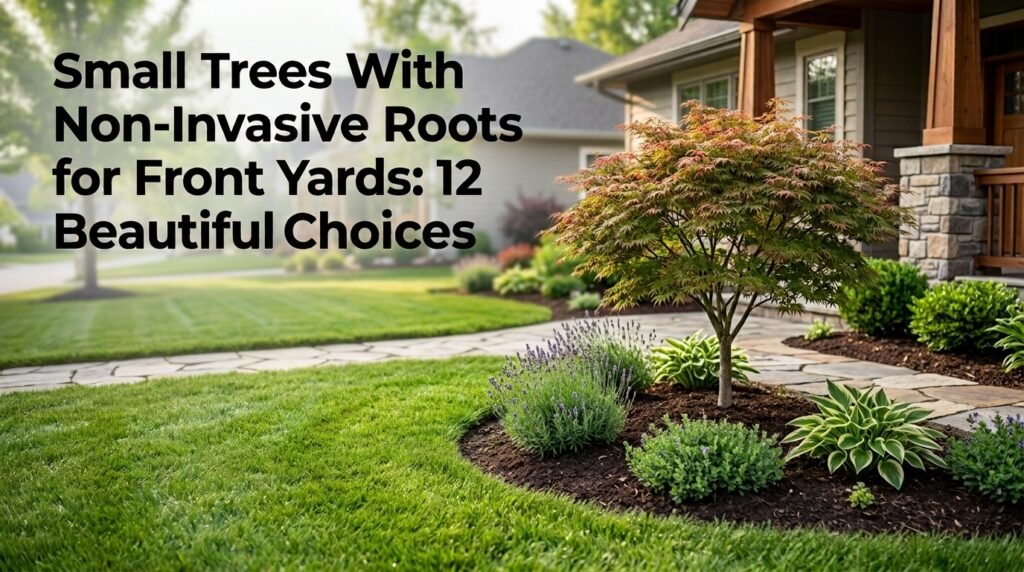
If you are planning a more permanent landscape instead of simply covering the dirt, think about the plants you want to establish over time. Small trees for a front or backyard landscape can add structure and shade, but it is important to choose varieties that fit the available space and have root systems suited to the site.
5. Measure Before Buying Materials
Measure the area first. This helps prevent buying too little material and then having to make another trip, or buying far more than you need.
Common Mistakes to Avoid
Choosing Only by the Cheapest Upfront Cost
A cheap material that needs frequent replacement or heavy maintenance may not save much over time. Think about both the initial work and the upkeep.
Covering a Drainage Problem
If water pools in the area, deal with the drainage issue before covering it. Bare soil can contribute sediment to runoff, and poor drainage can also make grass and other plants struggle.
Using Grass Where Grass Cannot Thrive
A shady or poorly drained area is not going to become a healthy lawn simply because you add more seed. Check the site’s sunlight, soil, and moisture first.
Planting Ground Covers Without Checking Your Region
A ground cover that works well in one part of the country may perform poorly somewhere else. Look for plants suited to your climate and site conditions.
Covering the Entire Yard With One Material
You do not have to choose one solution for every square foot. A combination of mulch, plants, gravel, and stepping stones can often make a backyard more useful and attractive while keeping the project manageable.
Conclusion
You do not need an expensive landscaping project to cover a dirt backyard. Mulch, wood chips, grass seed, ground covers, gravel, and reclaimed pavers can all solve bare-soil problems at different budget and maintenance levels.
The best choice is the one that fits how you use the space. For more practical lawn and backyard ideas, Lawn Savy focuses on simple solutions that help homeowners make better decisions without overcomplicating the project.
Start with the cheapest option that meets your actual needs—not simply the cheapest material on the shelf.
Frequently Asked Questions
What is the cheapest way to cover dirt in a backyard?
For a large bare area, mulch or wood chips are among the simplest low-cost options. Grass seed can also be a budget-friendly choice when the site has enough sunlight and suitable conditions for healthy turf.
What can I put over dirt in my backyard?
You can use mulch, wood chips, grass seed, ground-cover plants, gravel, crushed stone, pavers, straw, artificial turf, or a patio/deck depending on how you plan to use the area.
Is mulch cheaper than gravel?
Mulch is often a good choice when the goal is inexpensive, quick coverage, especially in planting areas. Gravel can make more sense where you need a durable, low-maintenance walking or seating surface. The better choice depends on the area and how much maintenance you want.
What is the cheapest way to make a dirt backyard look nice?
Start by cleaning and leveling the area, then use an affordable cover that fits the space. Mulch and wood chips work well for large areas, while gravel, plants, and a few stepping stones can create a more finished look without hardscaping the entire yard.
Can I put grass seed directly over dirt?
You can seed a bare area, but successful lawn establishment depends on proper site preparation, soil conditions, grass selection, and moisture. Penn State Extension recommends assessing the site and soil before seeding rather than treating seed as a quick fix.