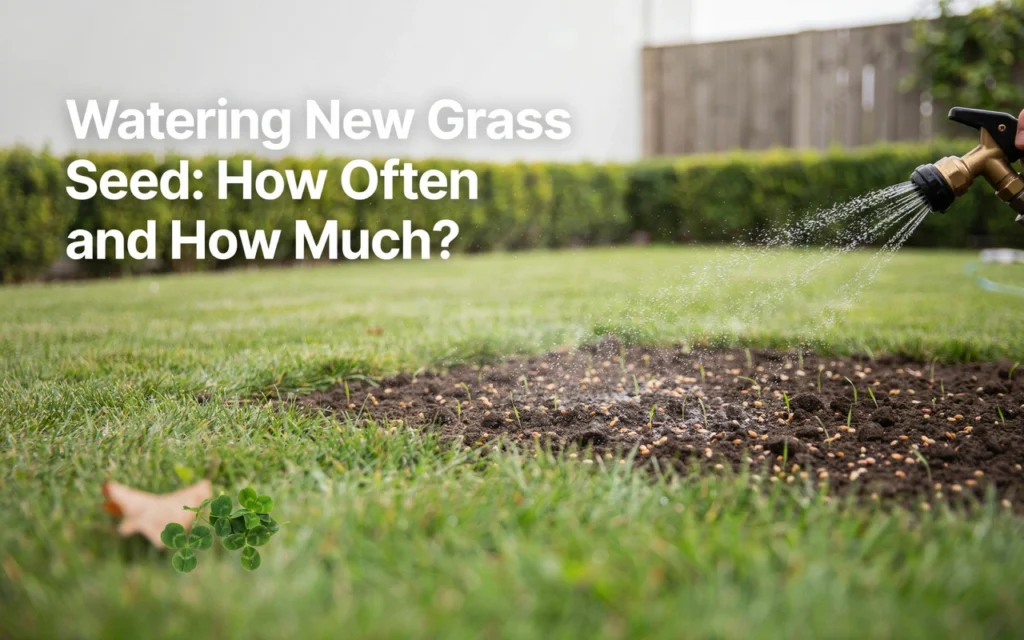
Overseeding is a simple way to thicken a thin lawn without removing the grass that is already growing. The basic process is to mow the lawn, clear away debris, loosen the surface where needed, spread the right grass seed, and keep the soil moist while new grass starts to grow.
For most cool-season lawns, late summer to early fall is the best time to overseed. Warm-season lawns need a different schedule, so always match the timing to your grass type and local climate.
When Is the Best Time to Overseed a Lawn?
Timing matters because grass seed needs enough time to sprout and grow roots before strong heat, cold, or drought arrives.
| Lawn Type | Best Time to Overseed | Common Grasses |
| Cool-season | Late summer to early fall | Tall fescue, Kentucky bluegrass, perennial ryegrass, fine fescue |
| Warm-season | Late spring to early summer when appropriate for the grass type | Seeded Bermuda and some other warm-season grasses |
Not every warm-season lawn is normally overseeded with the same grass. Some warm-season grasses are more often repaired with sod, plugs, or sprigs.
University of Maryland Extension recommends late summer to early fall for seeding cool-season lawns because the soil is still warm while air temperatures begin to cool.
Best Time for Cool-Season Grass
Late summer through early fall is usually the best overseeding window for cool-season lawns.
This includes lawns made mainly from:
- Tall fescue
- Kentucky bluegrass
- Perennial ryegrass
- Fine fescue
Warm soil helps the seed germinate, while cooler fall weather reduces heat stress on young grass. There is also usually less competition from summer weeds.
Do not wait until very late fall. The seedlings need time to grow roots before hard freezing weather arrives.
Spring overseeding can work when the lawn has bare or badly damaged areas, but it is often harder. Young seedlings must compete with spring weeds and then survive summer heat.
Your exact planting window depends on where you live. Use your local Cooperative Extension planting calendar rather than following one date for the whole United States.
When to Seed or Overseed Warm-Season Lawns
Warm-season grass grows most strongly during late spring and summer.
If your type of warm-season grass is commonly grown from seed, repair or seeding work is usually done after the soil has warmed and active growth has started. This gives the grass a full warm season to establish.
Not every warm-season lawn should be overseeded with the same grass seed. Many zoysia and Bermuda lawns are also established or repaired with plugs, sprigs, or sod.
Overseeding dormant Bermuda or another warm-season lawn with ryegrass for winter color is a different practice. Oklahoma State University explains that this type of winter overseeding is normally done in fall, after warm-season growth begins to slow.
For a normal thin-lawn repair, follow guidance for your grass species and region instead of using a one-size-fits-all date.
Find Out Why Your Lawn Is Thin Before Overseeding
Before buying seed, look at why the existing lawn became thin.
Common causes include:
- Compacted soil
- Poor drainage
- Heavy foot traffic
- Too much shade
- Drought
- Mowing too short
- Disease or insect damage
- A grass type that does not suit the site
Overseeding can fill thin areas, but it will not correct the problem that caused them.
For example, seed added to a deep-shade area may germinate and then thin out again. Seed spread over badly compacted soil may struggle to develop strong roots.
Soil type is another factor to consider before overseeding. If your yard has heavy clay, improving the soil first can give new grass a better environment for root development and drainage. Getting grass to grow in clay soil takes more than simply spreading seed over the surface.
University of Maryland Extension recommends correcting problems such as drainage, compaction, heavy traffic, and poor mowing before or along with overseeding.
Also check any herbicide products used on the lawn. Some pre-emergent weed controls, products used to stop weed seeds from sprouting can also stop new grass seed from growing. Always check the label before overseeding.
How to Overseed a Lawn in 7 Steps
Step 1 — Mow the Lawn Short and Remove the Clippings
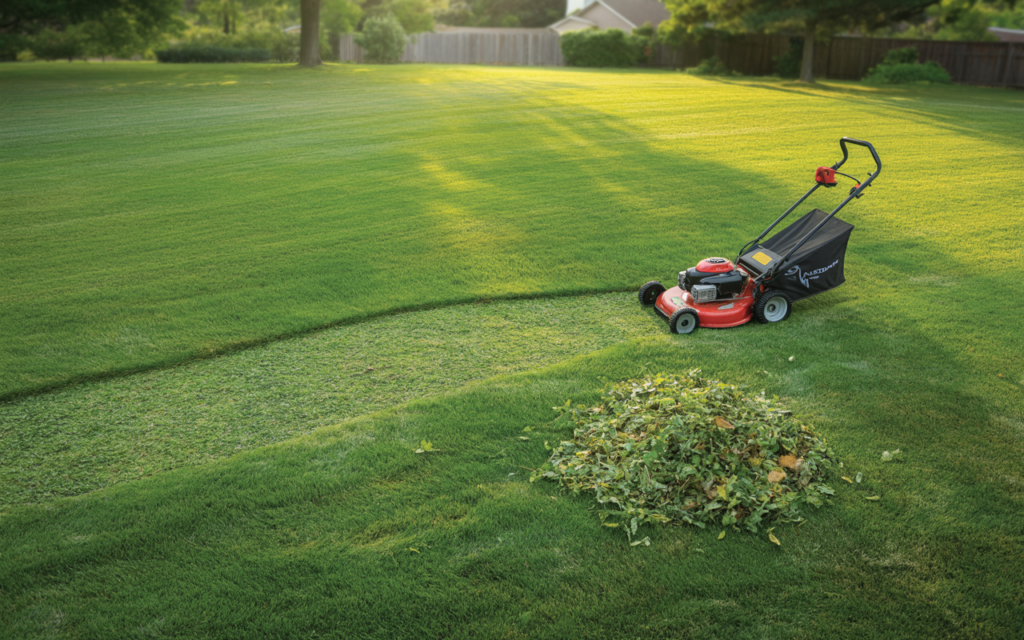
Mow the existing grass somewhat shorter than your normal height before overseeding.
Do not scalp the lawn, which means cutting it extremely short. You simply want to make it easier for seed to fall between the existing grass and reach the soil.
Bag or rake up heavy clippings after mowing. Also remove:
- Fallen leaves
- Small sticks
- Dead grass
- Loose thatch
- Other surface debris
You should be able to see some soil between the existing grass plants when you finish.
Step 2 — Rake, Dethatch, or Aerate Only if Needed
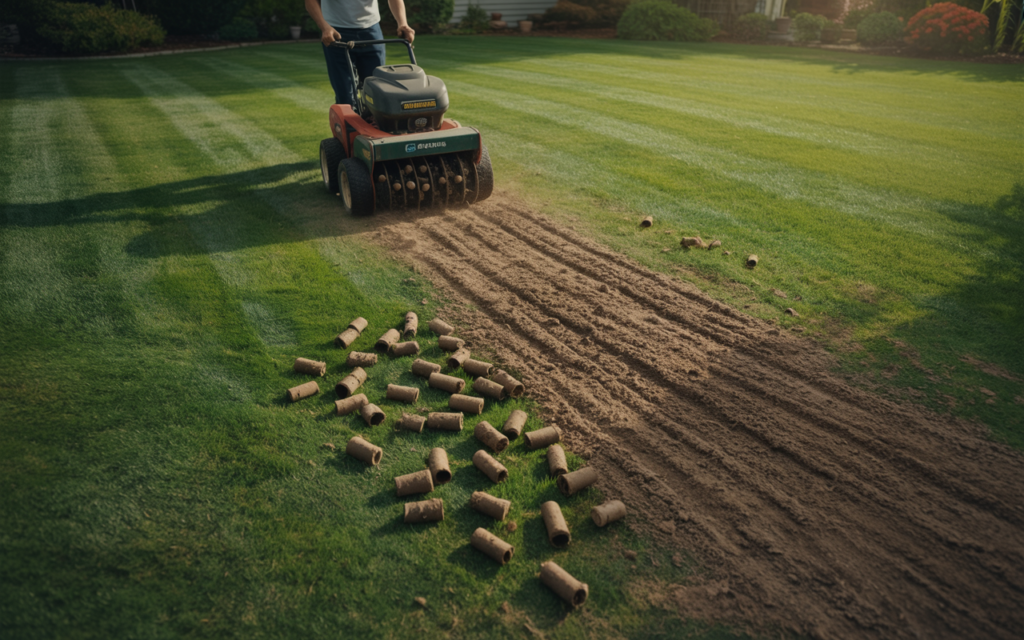
You do not have to core aerate every lawn before overseeding. Choose the preparation method based on the problem.
Rake the lawn when loose grass and light debris are blocking the soil.
Dethatch when a thick layer of thatch keeps seed from reaching the ground.
Core aerate when the soil is compacted, especially in lawns with regular foot traffic.
A core aerator removes small plugs of soil. This creates openings in the turf and can improve seed-to-soil contact.
The University of Maryland’s lawn renovation and overseeding guide recommends raking to loosen the surface and using equipment such as a core aerator or slit seeder for larger areas when needed.
Do not aerate soil that is extremely dry or soaked with water. Slightly moist soil is easier to work.
Step 3 — Choose Grass Seed That Matches Your Lawn
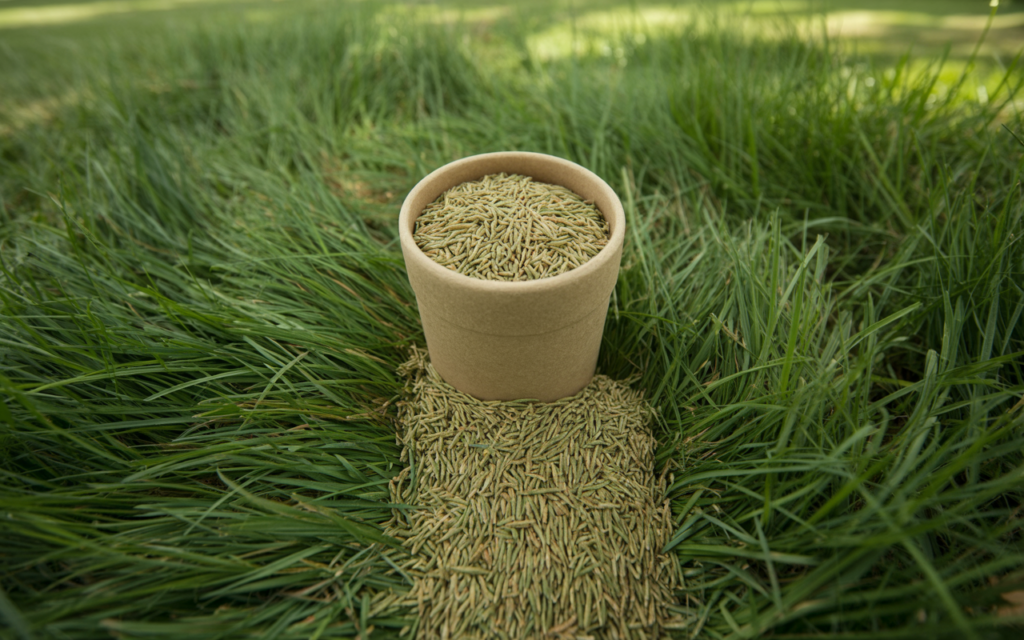
Do not choose seed only because the bag says “fast growing.”
The new grass should fit:
- Your climate
- Existing grass type
- Amount of sunlight
- Water availability
- Foot traffic
- Maintenance level
For cool-season lawns, common choices include tall fescue, Kentucky bluegrass, perennial ryegrass, and fine fescue.
Try to match the existing lawn when possible. If you have a tall fescue lawn, for example, adding a very different grass may create patches with different color, texture, and mowing needs.
Read the seed label before buying. Check which grass types and named varieties are actually in the bag instead of choosing by the product name alone.
Step 4 — Spread the Seed at the Recommended Rate
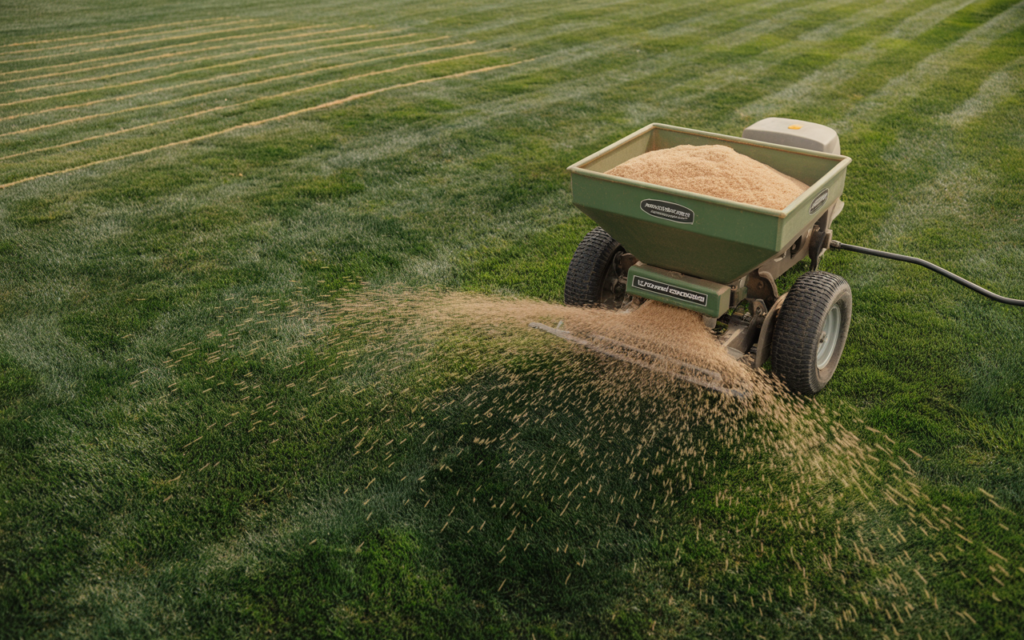
Measure the lawn before spreading seed. Then check the seed bag for its overseeding rate. Do not automatically use the rate listed for starting a completely new lawn.
For more even coverage:
- Divide the seed into two equal parts.
- Spread the first half while walking in one direction.
- Spread the second half at a right angle to the first pass.
A broadcast or drop spreader works well for larger lawns. Small thin areas can be seeded by hand if you spread the seed carefully.
Do not add extra seed because you want a thicker lawn faster. Too many seedlings can compete for light, water, and nutrients.
Step 5 — Improve Seed-to-Soil Contact
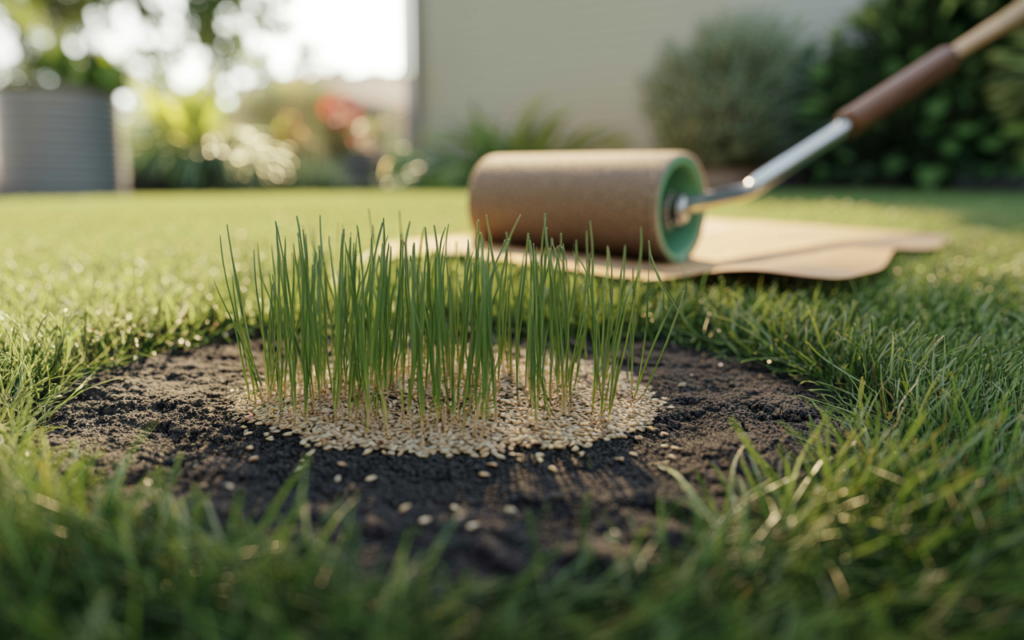
Grass seed needs to touch the soil to germinate well.
After spreading the seed, lightly rake areas where the seed is sitting on top of loose grass or debris. Do not bury it deeply.
You can also gently press the seed against the soil with the back of a rake or a light roller where appropriate.
Good seed-to-soil contact is one of the key steps listed in University of Maryland Extension’s overseeding guidance.
A very light layer of suitable compost may help in some thin areas, but do not cover the lawn with a thick layer. Existing grass and new seedlings both need light and air.
Step 6 — Fertilize Only When It Makes Sense
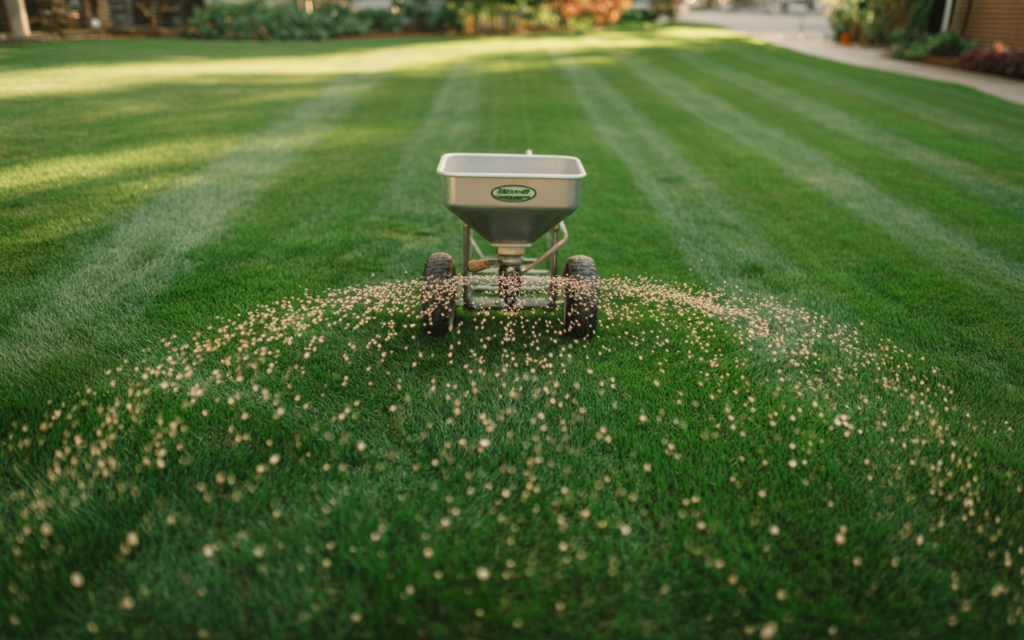
You do not always need to apply starter fertilizer just because you are overseeding.
A soil test is the best way to learn whether the soil needs phosphorus, potassium, lime, or other changes.
If fertilizer is needed:
- Choose one suitable for your grass and soil.
- Follow the label rate.
- Follow local fertilizer rules.
- Avoid applying more than recommended.
Do not use a weed-and-feed or pre-emergent product unless its label clearly says it can be used around newly seeded grass. More fertilizer does not make seed germinate faster.
Step 7 — Water the Lawn Immediately
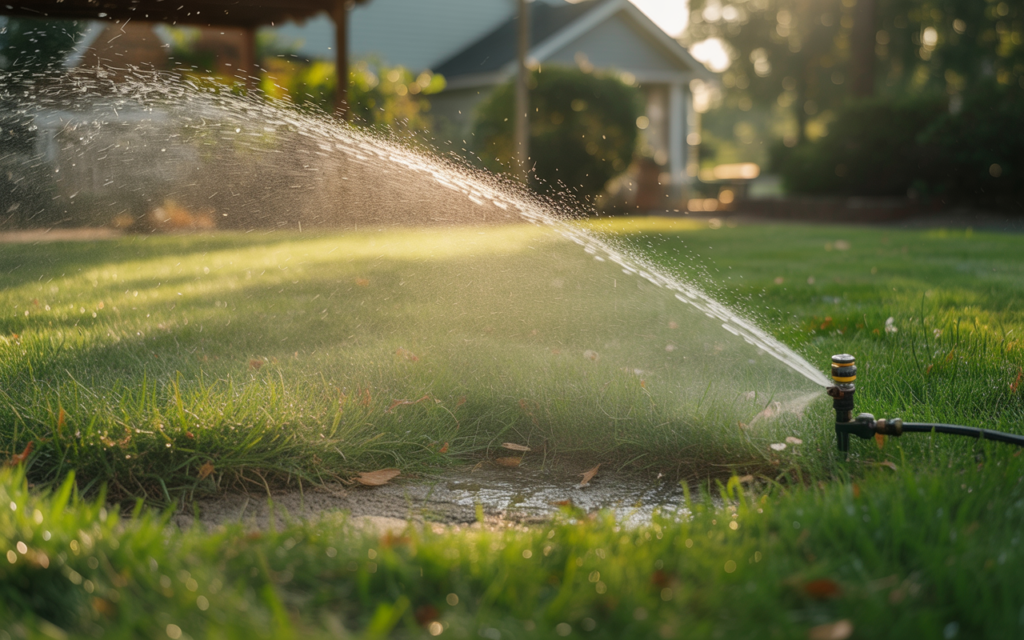
Water gently after spreading the seed.
The goal is to moisten the seed and upper layer of soil without moving the seed into piles.
Once the seed is wet and germination starts, keeping the soil consistently moist becomes especially important. If you’re unsure about how often to water new grass seed, the right schedule depends on factors such as soil type, weather, sunlight, and how quickly the surface dries.
Use a soft sprinkler pattern and stop if you see:
- Puddles
- Runoff
- Soil washing away
- Seed moving downhill
Once the seed is wet and germination starts, do not allow it to repeatedly dry out. University of Maryland Extension lists steady moisture as a key part of successful lawn establishment.
Aftercare for an Overseeded Lawn
The job is not finished when the seed is spread. The first few weeks of care can decide how much of that seed becomes healthy grass.
Keep the Seedbed Moist
New seed needs moisture close to the soil surface.
At first, you may need light watering more often than you would water an established lawn. The exact schedule depends on:
- Weather
- Soil type
- Sun exposure
- Wind
- Grass species
- Natural rainfall
Do not follow a fixed “water three times every day” rule without checking the soil.
The surface should stay moist, not flooded.
Once seedlings appear and begin growing roots, slowly reduce how often you water. Start watering more deeply so roots grow farther into the soil.
The University of Maryland’s newly seeded lawn care guide advises keeping germinating seed from drying out and changing the watering routine as the new lawn establishes.
Keep Foot Traffic Low
Young grass seedlings are easy to damage.
Try to keep:
- Children
- Pets
- Heavy equipment
- Frequent walking
off newly overseeded areas while the grass establishes.
This matters even when the lawn already looks green. New seedlings may have visible leaves while their roots are still small and weak.
Wait Until the New Grass Is Ready Before Mowing
Do not mow simply because the old grass has grown tall.
Give the new seedlings enough time to become rooted and reach a safe mowing height for that grass type.
When you mow:
- Make sure the soil is firm enough for mower wheels.
- Use a sharp mower blade.
- Avoid mowing wet seedlings.
- Follow the correct mowing height for your grass.
- Remove no more than about one-third of the grass blade at one time.
If seedlings pull loose easily, wait longer.
Be Careful With Weed Control and Fertilizer
Weeds may appear while the new grass is growing. Do not rush to spray them.
Young grass can be sensitive to herbicides. Product labels often require new turf to reach a certain stage or be mowed several times before treatment.
University of Maryland Extension advises delaying broadleaf herbicides until newly seeded grass has been mowed about three or four times, while still following the specific herbicide label.
Hand-pulling a few weeds may be safer while the grass is young.
Also avoid automatically adding another fertilizer application. Feed the lawn according to its grass type, season, soil needs, and local rules.
Common Overseeding Mistakes to Avoid
A few simple mistakes can reduce germination even when you use good seed.
- Overseeding at the wrong time: Seed may germinate but fail when strong heat or cold arrives.
- Throwing seed over thick grass: Seed trapped on leaves may never make good contact with soil.
- Skipping aeration on compacted soil: Roots may struggle even if the seed germinates.
- Aerating when it is not needed: Overseeding does not require aeration in every lawn.
- Using too much seed: More seed does not always mean a thicker lawn.
- Letting the seed dry out: Germinating seed needs steady moisture.
- Watering too heavily: Runoff can move seed and leave some areas bare.
- Using the wrong weed control: Some herbicides can prevent germination or injure young grass.
At Lawn Savy, the main goal is to fix the conditions first and then give the seed what it needs. Good timing, soil contact, and steady moisture usually matter more than adding extra lawn products.
Give New Grass Time to Establish
Overseeding works best when the timing, seed, and lawn preparation all fit the site. Mow and clear the lawn, correct compaction where needed, choose seed that matches your climate, and make sure the seed reaches the soil. Then keep it evenly moist while the seedlings develop.
Do not rush back into normal mowing, weed control, or heavy traffic. Give the new grass time to build roots. A little patience after overseeding can make the difference between scattered seedlings and a thicker, healthier lawn.
Frequently Asked Questions
Can I Just Throw Grass Seed Over My Existing Lawn?
You can, but the results may be poor. Seed germinates better when it reaches the soil. Mow, rake, and open the turf before spreading seed so it does not sit on top of thick grass or thatch.
Do I Have to Aerate Before Overseeding?
No. Aeration is most useful when the soil is compacted or the lawn receives regular heavy traffic. A lawn with loose soil and little thatch may only need mowing and raking before overseeding.
How Often Should I Water After Overseeding?
Water often enough to keep the top layer of soil moist during germination. The exact schedule changes with weather, soil, and sunlight. Once seedlings grow, reduce watering frequency and begin watering more deeply.
When Can I Mow After Overseeding?
Wait until the new grass reaches a safe mowing height for its species and feels firmly rooted. Use a sharp blade and avoid removing more than one-third of the leaf at one mowing.
Should I Fertilize Before or After Overseeding?
That depends on the soil and grass. A soil test can show whether fertilizer is needed. Do not assume every overseeded lawn needs starter fertilizer.
Can I Overseed a Lawn in Spring?
Yes, especially when you need to repair damaged areas. But for cool-season lawns, late summer to early fall is usually a better time because seedlings have cooler growing weather ahead and face less summer stress.
How Long Does It Take for Overseeded Grass to Grow?
It depends on the grass species, temperature, and moisture. Some grasses germinate faster than others. Keep the soil surface moist and judge progress by the seed type and conditions rather than expecting every lawn to green up on the same schedule.